
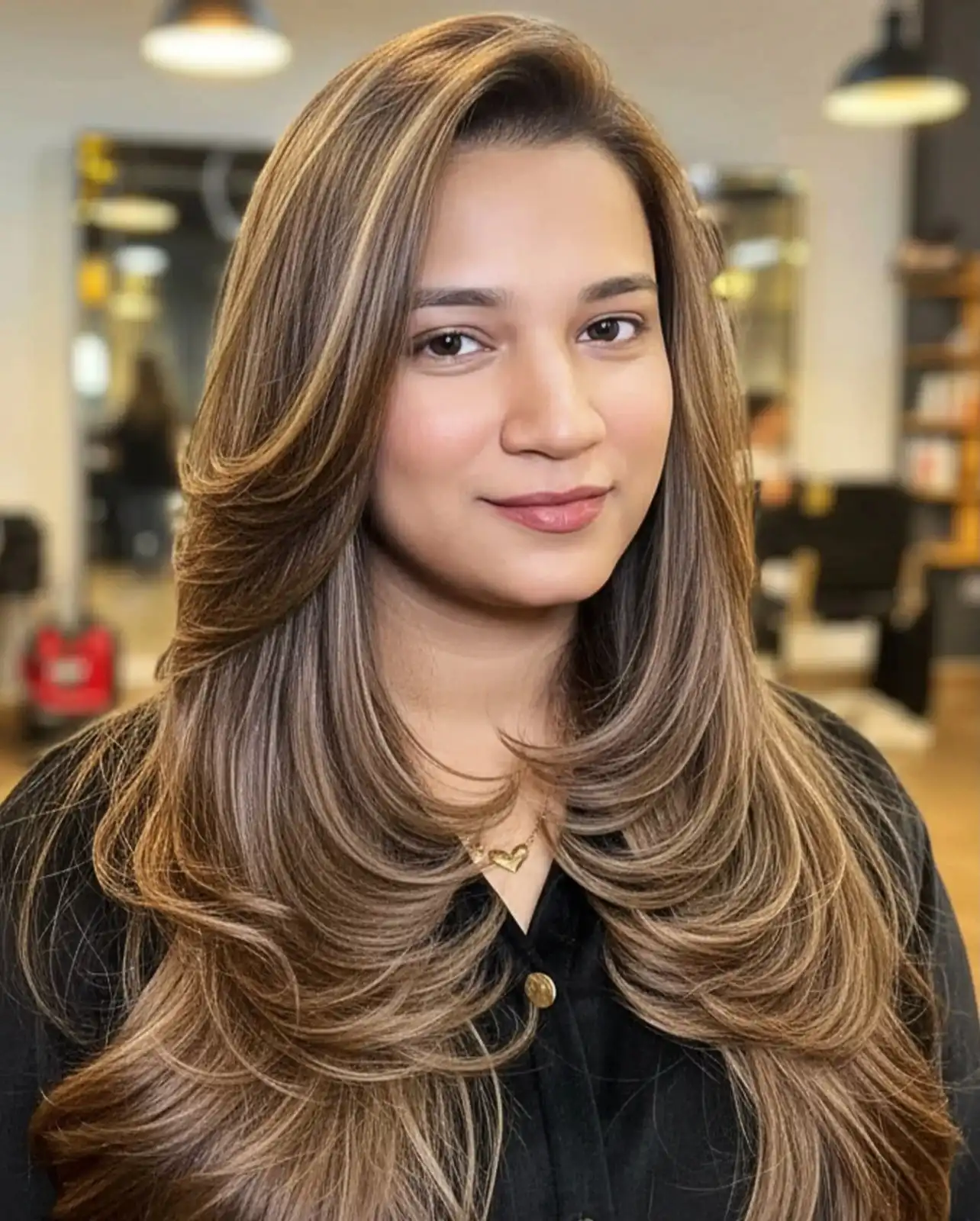
16 Hair Color Ideas That Feel Fresh, Flattering, and Seriously Stylish
Thinking about changing your hair but not quite ready to make a random late-night box-dye decision? Honestly, same. A fresh color can completely change your vibe, brighten your face, make your haircut look more expensive, and somehow make even a basic outfit feel intentional.
These 16 hair color ideas cover everything from soft, classy brunettes to playful pinks, creamy blondes, rich reds, and low-maintenance dimensional shades. Whether you want a subtle everyday refresh or a full main-character transformation, there is something here for every mood, season, skin tone, and commitment level.
1. Expensive Brunette
Expensive brunette is perfect when you want brown hair that looks rich, glossy, and anything but flat. It works beautifully on light, medium, olive, and deep skin tones because your stylist can adjust the blend with warm caramel, neutral cocoa, or cool mocha ribbons; naturally brown or dark blonde bases make the process easiest.
Maintenance stays moderate, with gloss appointments around every 6–8 weeks and larger color refreshes every few months. Ask for dimensional brunette color, a demi-permanent gloss, and subtle face-framing pieces, and avoid the common mistake of choosing one solid dark shade, which can make the result look heavy instead of luxe.
2. Honey Blonde
Honey blonde gives you that warm, glowy finish that somehow looks even better in sunlight. It especially flatters warm, golden, peachy, and many olive skin tones, while medium blonde and light brown hair bases usually reach the shade with less aggressive lightening.
This color feels gorgeous for spring and summer, though honestly, it brings welcome warmth to winter too. Expect salon-level work for darker bases and touch-ups around 6–10 weeks depending on your root contrast; use a color-safe moisturizing shampoo and heat protectant, and do not overuse purple shampoo because it can dull the very golden warmth that makes honey blonde pretty.
3. Cherry Cola Red
Want red hair without going full fire-engine? Cherry cola mixes deep brunette, burgundy, and red-violet tones for a moody color that looks especially stunning on medium, olive, tan, and deep complexions, though a cooler custom version can flatter fair skin beautifully too.
Dark brown and black hair create the richest base, making this one of the more realistic trendy options for brunettes. Red pigment fades quickly, so plan a gloss or tonal refresh about every 4–8 weeks, wash with cool water, use sulfate-free color care, and never assume every cherry shade looks the same—too much bright red can completely change the sophisticated cola effect.
4. Creamy Beige Blonde
Creamy beige blonde sits in that dreamy space between icy and golden, making it a classy choice for anyone who finds extreme platinum too harsh. Neutral, fair, light-medium, and soft olive skin tones often wear it beautifully, especially when the stylist customizes the beige balance around your undertone.
A natural blonde or light brown base makes the journey easier, while dark hair may need several sessions to stay healthy. Expect higher maintenance, root work around 6–8 weeks, plus bond-building treatments and a gentle toning product; the biggest mistake is demanding an ultra-light result in one appointment when your hair condition clearly says, “Bestie, absolutely not.”
5. Caramel Balayage
Caramel balayage remains one of the most wearable 16 hair color ideas because it adds brightness without forcing you into constant root appointments. Warm, neutral, olive, tan, and deep skin tones look gorgeous with caramel, while dark blonde, brown, and black bases give the highlights beautiful contrast.
The hand-painted technique usually requires a professional, but maintenance can stay surprisingly easy because the grow-out looks soft. Refresh the tone around 8–12 weeks and the lightening placement every few months, use a hydrating mask and UV-protective leave-in, and avoid adding chunky orange-toned streaks when your goal is soft, blended dimension.
6. Soft Copper
Soft copper feels playful, romantic, and much easier to wear than super-bright orange. Fair skin with peachy undertones, warm complexions, freckles, light-medium skin, and some olive tones can look incredible in copper; blonde, strawberry blonde, and light brown bases usually create the smoothest result.
This is a moderate-to-high-maintenance choice because copper loves to fade dramatically the minute you become emotionally attached to it. Plan color refreshes around 4–8 weeks, use a copper color-depositing conditioner when recommended by your stylist, and avoid hot water or harsh clarifying shampoos unless you actively want your color disappearing down the drain.
7. Mocha Brown
Mocha brown is the quiet-luxury option of the hair color world: deep, polished, dimensional, and incredibly wearable. It suits neutral, cool, olive, medium, and deep skin tones particularly well, while naturally medium to dark brown hair provides an ideal starting point.
You can achieve some mocha shades with salon color or carefully selected at-home color, but professional customization works better when you need undertone correction. Touch up roots about every 6–10 weeks, maintain shine with a brown color gloss or nourishing shine mask, and avoid choosing a shade so ashy that your complexion starts looking washed out.
8. Face-Framing Blonde Highlights
Not ready to bleach your whole head? Bright face-framing highlights can give you that instant fresh-girl effect while keeping most of your natural base untouched, and the placement works across fair, medium, olive, tan, and deep skin tones when the blonde tone matches your undertone.
Brunettes get dramatic contrast, while dark blondes enjoy a softer finish. This is usually salon-level work, with toning around 6–10 weeks and lightening touch-ups as needed; protect the front pieces with a bond-repair treatment and heat protectant, and avoid making the sections too thick unless you genuinely want a bold, high-contrast look.
9. Chocolate Brown With Cinnamon Ribbons
Chocolate brown with cinnamon ribbons is basically autumn in hair form, but please do not save it only for fall. The combination looks rich on warm, neutral, olive, tan, and deep complexions, especially over medium brown, dark brown, or naturally black hair.
Ask for fine cinnamon or auburn pieces through a chocolate base rather than obvious striped highlights. Maintenance stays moderate, with a gloss every 6–8 weeks and highlight refreshes around 10–16 weeks; use shine-enhancing color-safe products, and avoid overly pale highlights because they can ruin the soft, spicy blend.
10. Mushroom Brown
Mushroom brown gives brunette hair a cool, earthy mix of taupe, ash, and muted beige. It works particularly well for cool and neutral undertones, including fair to medium complexions, while naturally dark blonde or light-to-medium brown hair creates an easier base than very warm or black hair.
Professional coloring makes sense here because removing unwanted orange and red tones requires careful formulation. Expect toning every 6–10 weeks, use blue-toned shampoo only when needed, and do not over-tone the hair until it looks dull or gray unless that is genuinely your aesthetic.
11. Strawberry Blonde
Strawberry blonde feels soft, sunny, and a little romantic without looking costume-like. It shines on fair to light-medium skin with warm, peach, golden, or neutral undertones, and natural blonde or light brown bases usually need less processing to reach the right balance of gold and copper.
Depending on your starting color, this can range from moderate salon difficulty to a more complex transformation. Refresh the tone around 4–8 weeks, choose a gentle color-depositing mask, and avoid making the shade too orange because true strawberry blonde needs that delicate blonde warmth to stay visible.
12. Midnight Blue-Black
Midnight blue-black is for the girl who wants dark hair with a secret. Indoors, it can look sleek and nearly black; under bright light, the blue undertone appears, giving the color an edgy but still classy finish that suits cool, neutral, medium, olive, and deep skin tones beautifully.
Naturally dark hair makes this transformation easier, and some formulas can work at home, though salon color gives you better control. Touch up visible roots around 4–8 weeks, use pigmented dark-hair care and stain-conscious towels, and avoid applying permanent black dye impulsively because removing it later can become a very expensive personality lesson.
13. Rose Brown
Rose brown mixes brunette depth with soft pink, mauve, or rosy undertones, creating an aesthetic color that feels creative without automatically screaming neon. It works nicely on neutral, cool, medium, and olive complexions, especially when your stylist adjusts the pink toward dusty rose rather than bubblegum.
Medium brown or pre-lightened hair usually shows the tone best, and professional application gives more predictable results. Expect tonal refreshes every 4–8 weeks, maintain the shade with a rose color-depositing conditioner, and avoid expecting delicate pink tones to stay vibrant through daily hot washes.
14. Golden Bronde
Golden bronde sits between brown and blonde, making it perfect for anyone who keeps showing their stylist photos of both and then saying, “Can I somehow have this and this?” Warm, neutral, golden, and olive complexions wear it beautifully, while dark blonde and light-to-medium brown bases transition particularly well.
Balayage, babylights, and lowlights can create the dimensional finish, so salon work usually gives the best result. Maintenance stays low to moderate, with toner or gloss around 8–12 weeks, plus hydrating color-safe care, and the main mistake to avoid is over-lightening until your carefully planned bronde simply becomes standard blonde.
15. Burgundy Wine
Deep burgundy wine creates drama without requiring a rainbow of fashion colors. It can look gorgeous on cool, neutral, olive, medium, tan, and deep skin tones, while brown and black bases naturally support the darker red-violet depth.
Salon color offers the most customized result, though experienced DIY color users may manage some deposit-only formulas on suitable hair. Refresh every 4–8 weeks, use a red or burgundy color-preserving mask, and avoid skipping a strand test because burgundy can pull wildly different on bleached, brown, gray, and previously colored sections.
16. Smoky Lilac
Smoky lilac is the boldest option on this list, but the muted finish keeps it more wearable than super-bright purple. Cool and neutral undertones often suit it best, though a talented colorist can adjust the lilac with mauve, silver, or warmer violet tones for different complexions.
Light blonde or professionally pre-lightened hair gives the cleanest canvas, so darker bases face a higher-maintenance salon journey. Expect toner or fashion-color refreshes every 3–6 weeks, use a bond-repair treatment and pigment-safe shampoo, and never chase pale lilac through reckless bleaching—healthy hair will always look more expensive than damaged pastel hair.
How to Choose the Best Hair Color for Your Skin Tone
Start with your undertone, but do not treat color rules like beauty law. Warm undertones often glow with honey, caramel, copper, golden bronde, and cinnamon, while cool undertones may love mushroom brown, beige blonde, blue-black, burgundy, and smoky lilac.
Neutral undertones usually get the most flexibility, but your natural eye color, wardrobe, makeup style, and desired contrast matter too. My honest opinion? Hold fabric or hair-color swatches near your face in daylight before committing—you may instantly notice which tones make your skin look bright and which make you look like you have not slept since Tuesday.
Hair Color Maintenance Tips That Actually Matter
The prettiest color still needs decent care, especially after lightening. Use color-safe shampoo, a nourishing conditioner, regular masks, heat protection, and bond-supporting care when your hair has been bleached, and keep hot tools at the lowest effective temperature.
Also, stop washing freshly colored hair with scorching water. Hot water and frequent harsh cleansing can speed up fading, while reds, coppers, pastels, and fashion shades usually need more frequent tonal maintenance than natural-looking balayage or dimensional brunette colors.
A simple maintenance guide:
- Low maintenance: balayage, bronde, dimensional brunette
- Moderate maintenance: mocha, highlights, chocolate-cinnamon, beige blonde
- Higher maintenance: copper, red, pastel, vivid, platinum-based colors
Common Hair Color Mistakes to Avoid
The biggest mistake? Choosing a shade from one perfect filtered photo and assuming your result will look identical. Your natural base, previous dye history, hair condition, lighting, texture, and undertone all affect the final color.
Also avoid overlapping bleach, skipping strand tests, using the wrong toning product, and repeatedly applying permanent dye through already-colored lengths. For major transformations, especially dark-to-light changes, a slower plan usually gives you prettier color and much happier hair.
Conclusion
These 16 hair color ideas prove that a transformation does not need to mean bleaching everything platinum or choosing a shade you will regret by breakfast. From classy mocha and expensive brunette to trendy cherry cola, soft copper, golden bronde, and smoky lilac, you can find inspiration that matches your skin tone, lifestyle, budget, and maintenance patience. Save your favorites, compare them in natural light, and choose the color that makes you excited to catch your reflection again.
FAQs About 16 Hair Color Ideas
What hair color is easiest to maintain?
Dimensional brunette, soft balayage, and bronde usually offer easier maintenance because the grow-out looks blended. Choosing a shade close to your natural base also reduces obvious root contrast.
Which hair color makes you look younger?
Soft, dimensional color often creates a fresher effect than very flat, harsh shades. Face-framing highlights, warm caramel tones, and glossy customized brunettes can brighten the overall look.
Can I try trendy hair color without bleaching?
Yes, especially with shades like cherry cola, burgundy, blue-black, mocha, or deeper copper on suitable bases. Pale blonde, pastel lilac, and very light fashion shades usually require pre-lightening.
How do I choose between warm and cool hair colors?
Check your skin undertone, natural coloring, and the shades you already love wearing. Warm tones include honey and copper, while cool options include ash brown and smoky shades—but a professional can customize almost any trend for you.